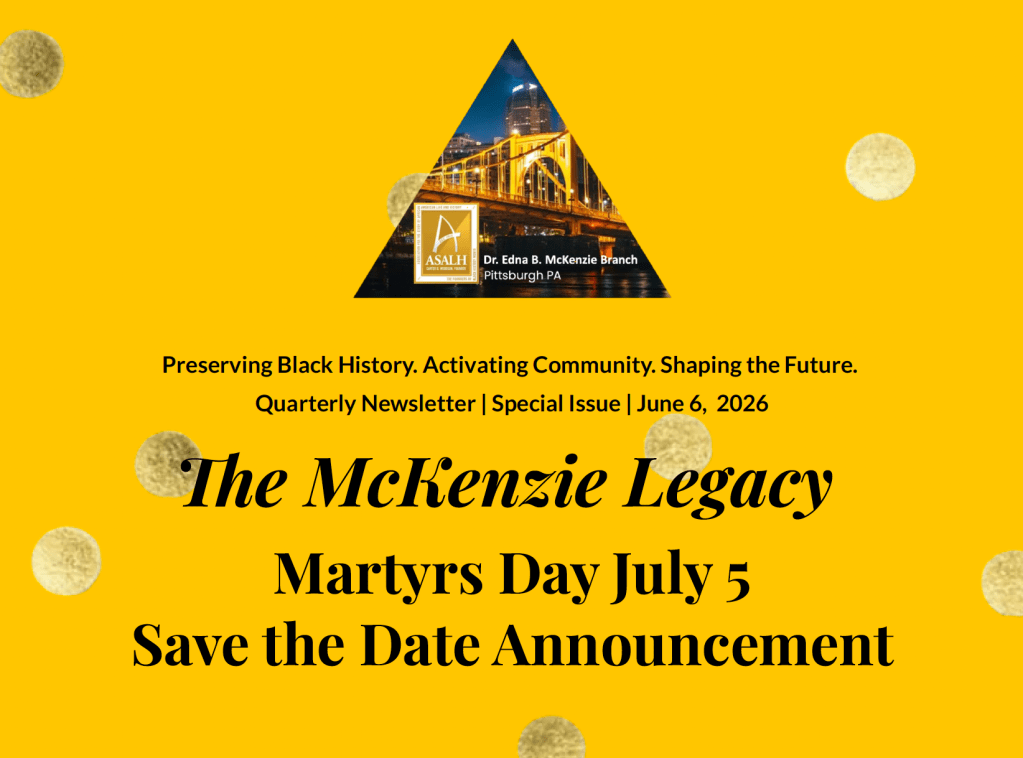
Part 3 Martyrs Day Observation July 5

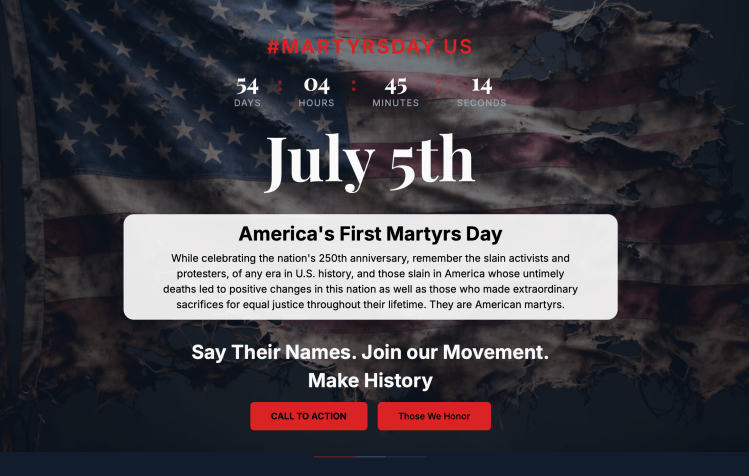
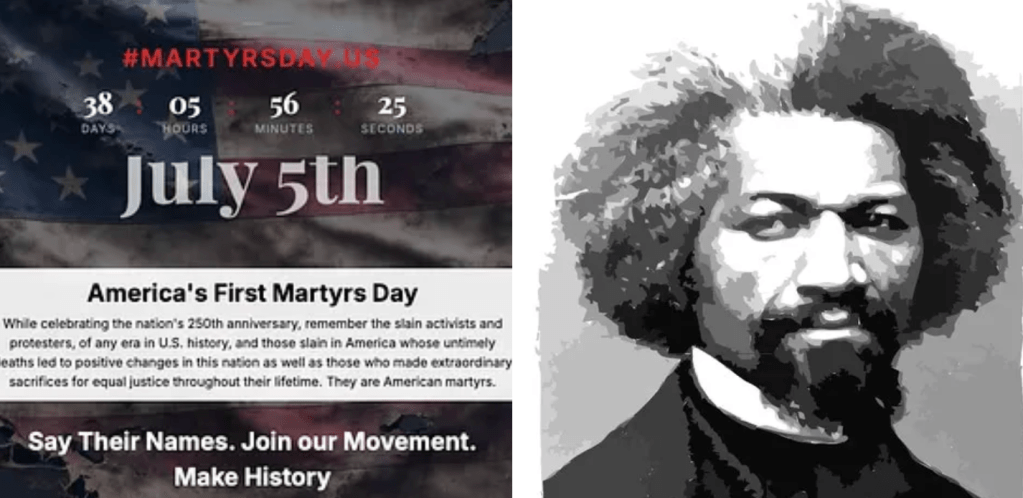
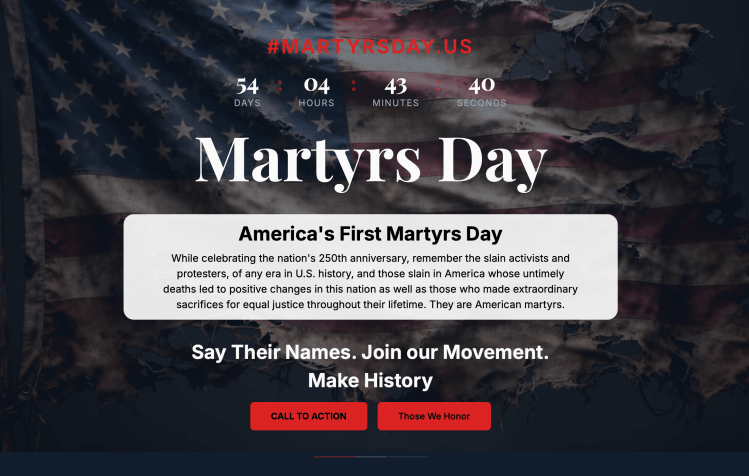
Martyrs Day July 5 is a national observance honoring those who gave their lives in the struggle for civil rights and racial justice; and calling Americans to confront the truth about freedom and its cost.

A contemporary reimagining of Frederick Douglass’ iconic speech on July 5, 1852—transposed to July 5, 2026, carrying forward his moral clarity into today’s sociopolitical reality.


America’s Forgotten Women
JOIN US ON MARTYRS DAY JULY 5

Who owns your body? Can you decide what happens to it? Can you protect it? Can you refuse? Can you say no? For millions of enslaved Africans and their descendants, the answer was a resounding, “No!” Nowhere was this denial more visible than in the lives of Black women.

If July 5th is to become a true day of remembrance, then we must remember not only those who died in public acts of resistance, but also those whose lives expose the hidden architecture of oppression. Among them are four names America rarely speaks together: Celia (one of the martyrs honored on MartyrsDay.us/profiles), Betsy, Anarcha, and Lucy.

Their stories are different. Yet they reveal the same truth. Freedom begins with ownership of one’s own body. And America denied them that freedom.


Celia: The Crime Before the Crime

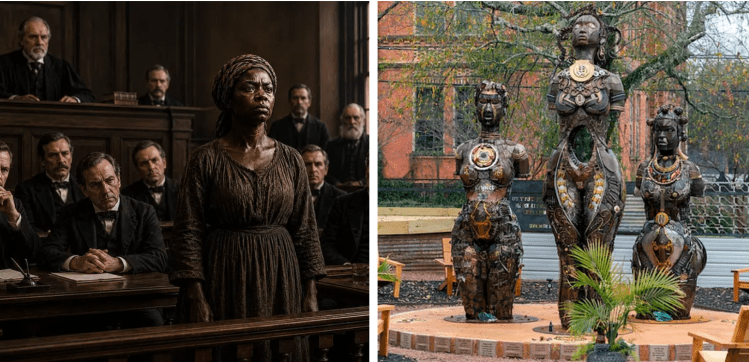
Celia was borne into slavery around 1835. At approximately fourteen years old she was purchased by Missouri farmer Robert Newsom in 1850. She was not purchased as a daughter. Not as a worker. Not as a citizen. Not as a human. She was purchased as property.

What happened next was not unusual for enslaved women. Shortly after buying her, Newsom began repeatedly raping her. For years Celia endured violence that was fully protected by law. The legal system recognized Newsom’s rights. The law offered Celia no protection because it did not recognize her as human nor did it recognize her bodily autonomy. The law simply recognized property and white male authority.


The nation that celebrated liberty every July 4th provided no mechanism for an enslaved girl to protect her own body. America proclaimed freedom. Celia experienced ownership. America celebrated independence. Celia experienced domination. America spoke of rights. Celia had none.


Then, in 1855, everything changed. After years of abuse, Newsom again came to claim access to her body. This time Celia resisted. She struck him. The blow killed him. For the first time in years, she exercised authority over her own body. And for that, the state condemned her.

The Trial That Revealed the Truth. Celia’s defense argued that Missouri law allowed women to defend themselves against sexual assault. The argument seemed straightforward. If a woman is attacked, she has the right to resist. But the court rejected the argument. Not because Celia had not been assaulted. Not because the violence was in dispute.


According Missouri law in 1855, it was a crime “to take any woman unlawfully against her will and by force, menace, or duress, compel her to be defiled.” A homicide committed while warding off such a crime against one’s person was justifiable.


The court rejected the argument because it refused to recognize Celia as fully entitled to the protections granted to women. The law protected women—but not those enslaved. The legal question was never whether Celia had been violated. The legal question was whether someone considered property could claim the rights of a human being. The answer was no. Celia was convicted and executed in 1855.


The Body as Property

To understand Celia’s story, we must first understand something larger than Celia herself. Her experience was not an exception. It was a system. A worldview. A social order built upon ownership of Black bodies. This worldview reached beyond plantations and courtrooms. It also entered medicine. And there, three other women would experience a different form of violation.

Betsy, Anarcha, and Lucy

Around the same period that Celia fought for control of her own body in Missouri, three enslaved women in Alabama were enduring another struggle.

Their names—Betsy, Anarcha, and Lucy. Artist Michell Browder remembers the women. History does not. History remembers the physician. J. Marion Sims is often called the “Father of Modern Gynecology.” Medical textbooks frequently celebrate his innovations. Less frequently discussed is how those innovations were developed.

Sims performed repeated experimental surgeries on enslaved Black women suffering from fistulas caused by difficult childbirth. The women were subjected to procedures without anesthesia. Anarcha reportedly endured dozens of operations.

The women could not freely leave. They could not meaningfully consent. They existed within a system that gave others authority over their bodies. The justification differed from Celia’s experience. Yet, the underlying worldview did not.


Different Violence. Same Logic.

At first glance, the stories appear unrelated. Celia endured sexual violence. Betsy, Anarcha, and Lucy endured medical experimentation. Yet beneath both stories lies the same foundational questions: Who owns the body? Who decides what happens to it? Whose pain matters? Whose suffering is acceptable if others benefit?

For Celia, the answer was an enslaver. For Betsy, Anarcha, and Lucy, the answer was a physician. In both cases, Black women were denied bodily autonomy; their humanity was subordinated to someone else’s interests; and America advanced while they paid the price. Therein lies an apparent contradiction.


The Contradiction Frederick Douglass Saw

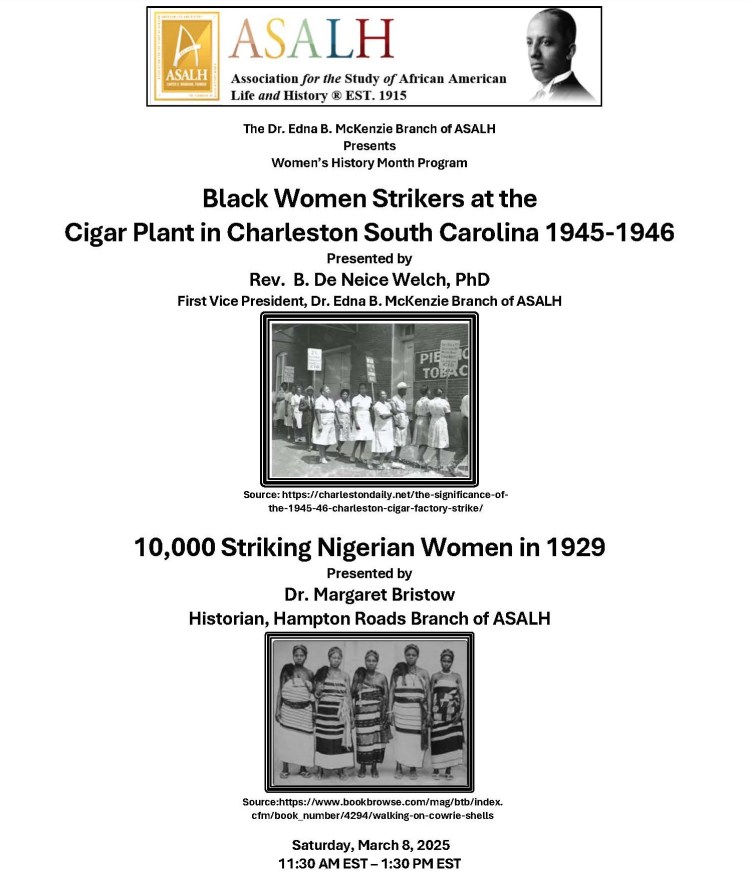
Frederick Douglass understood this contradiction. In 1852, just three years before Celia’s execution, he delivered his famous speech asking:
“What to the Slave Is the Fourth of July?”

Douglass recognized that America’s greatest contradiction was not merely slavery itself. It was the simultaneous celebration of liberty and denial of humanity. Celia’s life exposed that contradiction. Betsy, Anarcha, and Lucy exposed that contradiction. Their stories reveal that the issue was never merely slave labor. The issue was ownership. And ownership required the denial of autonomy.

The Battlefield of Freedom

Today, when people discuss freedom, they often focus on elections, laws, economics, or public policy. Those things matter, obviously. But freedom begins somewhere even more fundamental. Freedom begins with the body.

The question of liberty is not simply, “Can I vote?” The more fundamental questions are: Can I govern myself? Can I protect myself? Can I decide what happens to my body? Can I refuse? Can I be recognized as fully human?

For Celia, the answer was no. For Betsy, Anarcha, and Lucy, the answer was no. And because the answer was no, America cannot fully understand freedom without fully accepting their humanity.


Why Mention Them on Martyrs Day?

Some may hesitate to call these women martyrs. They did not lead marches. They did not deliver speeches. They did not become national icons. Yet martyrdom is not merely about public leadership. It is about lives that expose uncomfortable truths. Martyrdom is also about witness.

Celia witnessed against a legal system that protected ownership over bodily autonomy and human dignity. Betsy, Anarcha, and Lucy witnessed against a medical system willing to advance through exploitation. Their lives reveal what America often prefers to forget: Progress has costs.The question is who pays them. And whether those costs are remembered.

I mention them as a deeply human examination of freedom through the lives of women whose bodies became battlegrounds in America’s unfinished struggle for liberty.

JOIN US ON MARTYRS DAY JULY 5: FIND AN EVENT TO EXPERIENCE THE FULL STORY!


Reflection Ethos

  1. Why do you believe Celia, Betsy, Anarcha, and Lucy remain largely absent from public memory?
  2. How does bodily autonomy shape your understanding of freedom?
  3. What responsibilities come with remembering difficult history?
  4. How did slavery depend upon the denial of bodily autonomy?
  5. What parallels exist between historical and contemporary struggles over bodily control?
  6. Why do societies often celebrate progress while forgetting those who paid its costs?
  7. What would it look like for America to fully honor the lives of women like Celia, Betsy, Anarcha, and Lucy?
SUBSCRIBE: ANITA SPEAKS! ON SUBSTACK

Part 2 Martyrs Day Observation July 5

Martyrs Day July 5 is a national observance honoring those who gave their lives in the struggle for civil rights and racial justice; and calling Americans to confront the truth about freedom and its cost.

A contemporary reimagining of Frederick Douglass’ iconic speech on July 5, 1852—transposed to July 5, 2026, carrying forward his moral clarity into today’s sociopolitical reality.


What to the People is the Fourth of July?
July 4, 1776 Declaration of Independence: 
We hold these truths to be self-evident, that all men are created equal…


September 17, 1787 Signing of the US Constitution: 
”We the People of the United States, in order to form a more perfect Union, establish justice, insure domestic tranquility, provide for the common defense, promote the general welfare, and secure the blessings of liberty to ourselves and our posterity, do ordain and establish this constitution for the United States of America.”


July 5, 1852 Frederick Douglass Speech: 
”What to the Slave is the Fourth of July?”


“What to the People Is the Fourth of July?” 

It’s July 5…

The fireworks are gone. The flags still wave, but the smoke has settled.
And in that silence—the day after the celebration—we are left with a question that America has never fully answered: Who is freedom really for?

In 1852, Frederick Douglass stood before a largely white audience and delivered one of the most devastating moral indictments in American history: 
“What to the Slave Is the Fourth of July?”

His speech shattered the illusion that patriotic celebration alone could hide national hypocrisy. While America celebrated liberty, millions of Black people remained enslaved. While the nation praised independence, it denied humanity. Douglass forced America to confront the contradiction between its declared ideals and its lived reality. More than 170 years later, the question still echoes—not because America is unchanged. But because the central tension remains unresolved.

Today, the chains are different. The systems are more sophisticated. The language is more polished. Yet the distance between the promise and the practice of democracy still defines the American experience.

And perhaps that is why the 5th of July matters more today than the 4th of July. July 4 celebrates the story America tells about itself while July 5 confronts the truth America must reckon with itself.


Patriotism or Performance

Modern America is deeply invested in symbols. 
Flags. Anthems. Military flyovers. Campaign slogans. Public declarations of freedom.
But symbols are not substance. Because a nation can perform patriotism while avoiding justice. It can celebrate democracy while undermining democratic participation. It can praise equality while preserving inequality through economics, education, housing, healthcare, policing, and media narratives.

This is the crisis Douglass exposed in 1852. This is the crisis that still remains in 2026.
Today, many Americans demand “unity” without requiring truth. They seek reconciliation without accountability. They want healing without confession. But unity without truth is not reconciliation nor healing. It is choreography and performance.

Mere performance is dangerous because it allows people to feel moral without actually being moral.


The America Between Myth and Reality

America survives partly because of myth.
The myth of equal opportunity. The myth of meritocracy.
The myth that freedom naturally expands without struggle.
The myth that the nation has already overcome its original sins.
But myths become dangerous when they prevent self-examination. Frederick Douglass understood this clearly.

He recognized that America’s greatest threat was not merely slavery itself—it was the refusal of people to confront the reality of slavery while claiming to believe in liberty. It’s a contradiction that still exists today as America speaks the language of freedom while… 
Restricting voting access. Criminalizing protest. Widening economic inequality.
Weaponizing fear. Censoring uncomfortable history. And concentrating wealth and power into fewer and fewer hands. 

The systems may evolve. The rhetoric may modernize. But the contradiction simply rebrands itself.


The Architecture of Selective Freedom

One of the greatest illusions in America is the idea that freedom is equally experienced; that democracy is complete. It is not.

Freedom in America is shaped by race.
By economics. By geography. By education. By generational wealth. By political power.
By media representation. By who is believed and who is ignored.
For some Americans, freedom means mobility, safety, and opportunity.
For others, freedom means surviving systems never designed with them in mind.
This is another reason Douglass remains relevant. He forces us to not merely ask whether freedom exists—but to also ask who experiences it fully

If freedom is conditional, restricted, delayed, or unequally distributed, then democracy itself remains incomplete.


The Real Meaning of July 5

July 5 is uncomfortable because it interrupts the emotional high of national celebration. 

It asks:
What happens after the fireworks?
What happens after the speeches?
What happens after the slogans?
What happens when the performance ends?July 5 is where accountability begins.

Because nations are not judged by what they declare. They are judged by what they practice; not by what they celebrate—but by what they are willing to confront.
And confrontation is necessary because systems do not transform themselves.
Systems must be transformed by people. Time alone changes nothing because…
History is not automatically progressive. 
Justice is not inevitable.
Democracy is not self-sustaining.

Every expansion of freedom in American history required disruption, resistance, sacrifice, and organized struggle.


Frederick Douglass and the Courage to Confront

What made Douglass extraordinary was not merely his intellect

It was his refusal to participate in national denial. He loved the possibility of America enough to tell the truth about America. That distinction matters because critique is not hatred. Truth-telling is not division. In fact, the refusal to confront injustice is ultimately what destroys nations. Silence corrodes democracy. Comfort protects oppression. Performance delays transformation. Douglass understood that patriotism without moral courage is an empty vessel.

The greatest act of moral courage in America is the willingness to demand it to become better.


The Fifth of July and the Reimagine We Lens

In the Reimagine We framework, the deeper issue is worldview. 

America’s crisis is not merely political. It is formative. The nation continues to wrestle with competing visions of humanity itself. One worldview says: power belongs to the few, history belongs to the dominant, and freedom is a possession to protect not share. Another worldview says: human dignity is collective, justice is inseparable from truth, and freedom is meaningless unless it expands for everyone.

This is not merely a policy conflict. It is a battle over imagination—a battle over memory, narrative, and who counts as fully human.

Every individual decides for themselves which worldview they will nourish and carry.


Reimagine the Future

The future of this nation will not be determined by what Americans celebrate.

It will be determined by what America is willing to confront. Will America continue to choose myth over memory? Performance over truth? Comfort over justice?
Or will it finally embrace the difficult work of becoming what it has always claimed to be? That question hangs over this nation on every 5th of July. Perhaps that’s why the words of Frederick Douglass still resonate—not as a relic of the past but as a warning to the present and a challenge to the future.

Until freedom is experienced by all, America’s independence remains incomplete.


Reflection Ethos

What national myths have most shaped your understanding of America?
Where do you see the greatest gap between America’s ideals and its reality?
What does genuine patriotism require beyond celebration?

Part 1 Martyrs Day Observation July 5

Martyrs Day July 5 is a national observance honoring those who gave their lives in the struggle for civil rights and racial justice; and calling Americans to confront the truth about freedom and its cost.

Food for Thought: What Could America Gain from a Martyrs Day Observation on July 5, 2026?


What Americans Could Gain Most Is Historical Honesty By….

Creating Space to Remember
Not only military sacrifice, but also people killed in the struggle against slavery, racial terror, colonization, labor exploitation, and political oppression. That kind of observance can challenge the habit of celebrating national greatness without grappling with national cost.

Strengthening Civic Humility
Countries and communities often use remembrance days to connect identity with sacrifice rather than with triumph alone. Public rituals matter because they shape what a nation teaches itself to honor. In the U.S., that could push people to ask: Who paid the price for the freedoms we enjoy? Who was erased from the story? Public rituals matter because they shape what a nation teaches itself to honor.

Providing Moral Clarity
Remembering martyrs can help distinguish between celebrity and courage, popularity and principle. It reminds people that social progress is rarely free; a lesson that is especially relevant in a polarized culture where convenience often outweighs conviction.

Gaining Political Education
A well-designed Martyrs Day would give schools, faith communities, and civic organizations a yearly opportunity to teach stories of resistance, conscience, and collective responsibility. In practice, that could deepen public understanding of abolitionists, civil rights workers, labor organizers, Indigenous defenders, journalists, and others whose sacrifice is often fragmented across curricula rather than held together as part of one national moral tradition.

Fostering Deeper Reflection
The most powerful version of Martyrs Day would not be a spectacle. It would be a day of reflection, truth-telling, and recommitment. The point would not just be to admire the dead, but to ask what the living now owe one other.

So, the real gain could be this…
Americans just might become less addicted to the myth of patriotism and more committed to historical accuracy. And history, when it is truthful, can become a foundation for social justice.


America’s 250th Anniversary: July 4, 2026

The official U.S. 250th anniversary centers on July 4, 2026, the 250th anniversary of the Declaration of Independence. Both the congressionally backed America250 effort and White House “Freedom 250” materials frame it as a national milestone of commemoration, celebration, reflection, and future vision.  

America’s First Martyrs Day July 5, 2026
On July 5, 1852, a speech by Frederick Douglass, “What to the Slave Is the Fourth of July?”, challenged the nation to confront the truth behind its celebration of freedom. We continue that call.

“Fellow-citizens; above your national, tumultuous joy, I hear the mournful wail of millions! whose chains, heavy and grievous yesterday, are, to-day, rendered more intolerable by the jubilee shouts that reach them.” — Frederick Douglass

This celebration date carries real symbolic weight precisely because it comes immediately after the Independence Day celebration. It says—Independence should not only be praised. As the Douglass speech points out, it should also be interrogated.

So, why is it necessary to interrogate independence?
It’s necessary because the Power of Memory recognizes that…
Freedom has a cost. We remember those who paid it.
After the fireworks and the patriotic ritual, the nation is tasked to reckon with the price of freedom; who was denied it; and who died trying to widen it.
Here are five reasons for interrogation:

First, it would complete the story.
While July 4 highlights declaration, ideals, and nationhood, July 5 highlights sacrifice, contradiction, and unfinished struggle. In that sense, July 5 becomes the moral counterweight to July 4: not anti-America, but anti-amnesia.

Second, it would expose the gap between proclaimed liberty and lived liberty.
The Declaration of Independence announced freedom in 1776, but that freedom was not equally extended to enslaved Africans, Indigenous peoples, women, poor laborers, or many others. Martyrs Day July 5 forces the country to ask not only, “What was declared?” but also, “Who paid for those words of declaration with their lives?”

Third, it would move the 250th celebration from spectacle to maturity. The official anniversary language already includes reflection on the nation’s past. A July 6 observance could deepen that reflection by centering those whose blood, courage, and moral witness pushed the country closer to its own stated ideals.  

Fourth, it would widen the definition of patriotism. In a Martyrs Day frame, the nation would honor not only soldiers, but also freedom fighters, abolitionists, civil rights workers, labor organizers, truth tellers, and everyday people who suffered or died resisting oppression. That would redefine patriotism as not merely loyalty to the state, but loyalty to justice.

Fifth, it would create a ritual of national repentance and recommitment. July 4 says, “We were born.” July 5 asks, “What kind of people have we become—and what kind must we yet become?” That is especially significant at 250 years because anniversaries are not just for memory; they are for evaluation.

So the significance of Martyrs Day July 5 is this:
July 4 celebrates the promise.
 July 5 evaluates the cost.


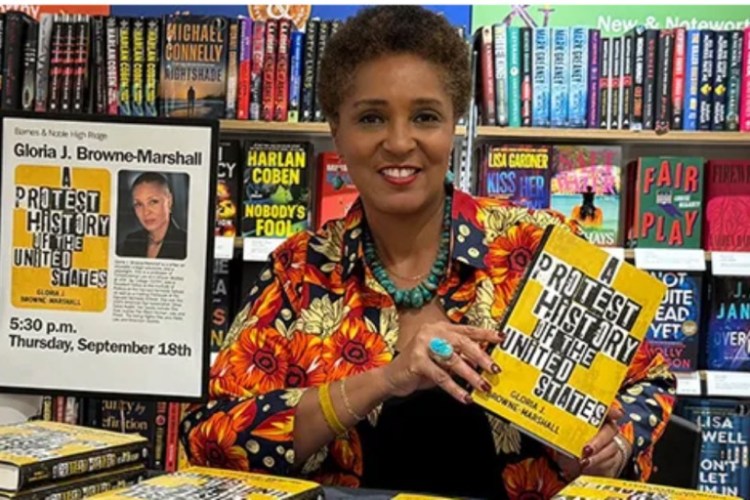
“Martyrs Day July 5th honors the brave Americans who gave their lives in the struggle for civil rights and racial justice.”  —Gloria J. Browne Marshall

Law Professor, Attorney, and Author, Gloria J. Browne Marshall Creates Martyrs Day to Honor Protest Deaths

The constitutional law professor, attorney, and author announced the creation of Martyrs Day, a national day of remembrance set for July 5, 2026. The observance is intended to honor protesters and activists who lost their lives in the struggle for social justice and equality in the United States. Browne-Marshall is calling the inaugural date a starting point, with plans for the observance to continue annually on July 5th going forward.


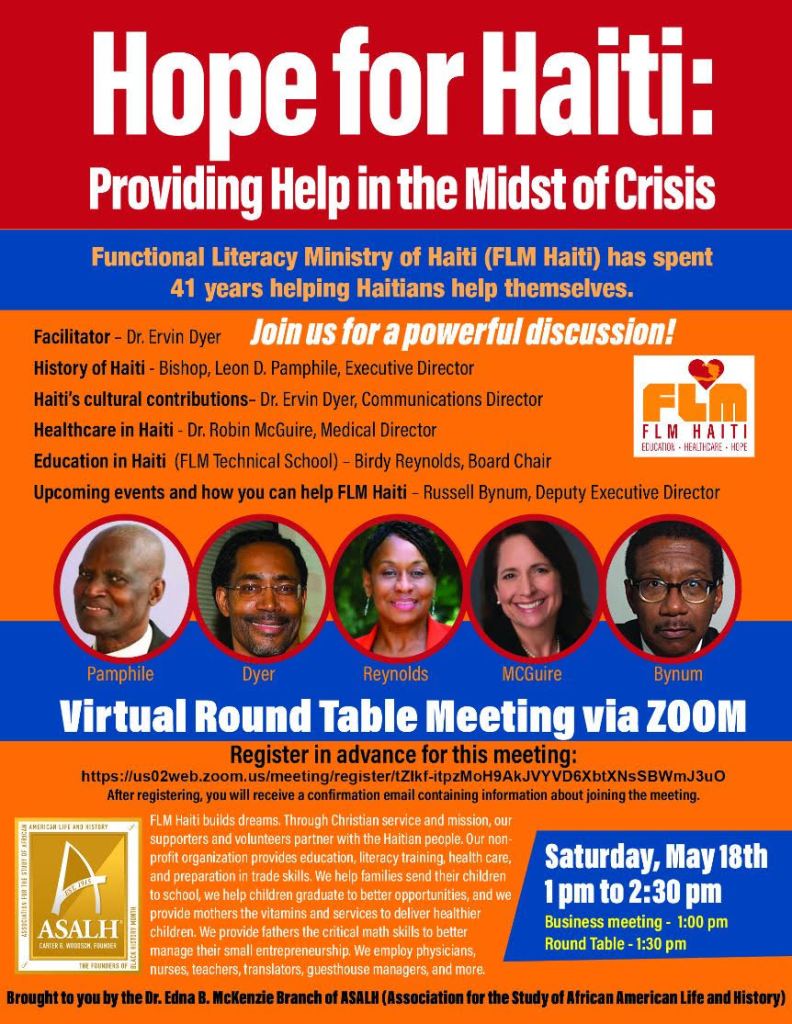
Hope for Haiti: Moving Forward in the Midst of Crisis

Panel Discussion: The Role Functional Literacy Ministry (FLM) Plays in Haiti

On Saturday, May 9, 2026, from 1:00 PM EST to 2:30 PM EST, the Dr. Edna B. McKenzie Branch of ASALH sponsored a panel discussion on the role Functional Literacy Ministry (FLM) plays in Haiti.  We are honored to present this well designed panel discussion with members of FLM Haiti on the ongoing problems in the oldest Black Republic in the Western Hemisphere. 

Our distinguished panelists are:

  • Dr. Ervin Dyer, Communications Director, Facilitator
  • Bishop Leon D. Pamphile, Executive Director
  • Dr. Robin McGuire, Medical Director
  • Birdy Reynolds, Board Chair
  • Russell Bynum, Deputy Executive Director

ATTENTION BRANCH MEMBERS:
There will be a short business meeting for all dues paying McKenzie Branch members at 1:00 PM EST.

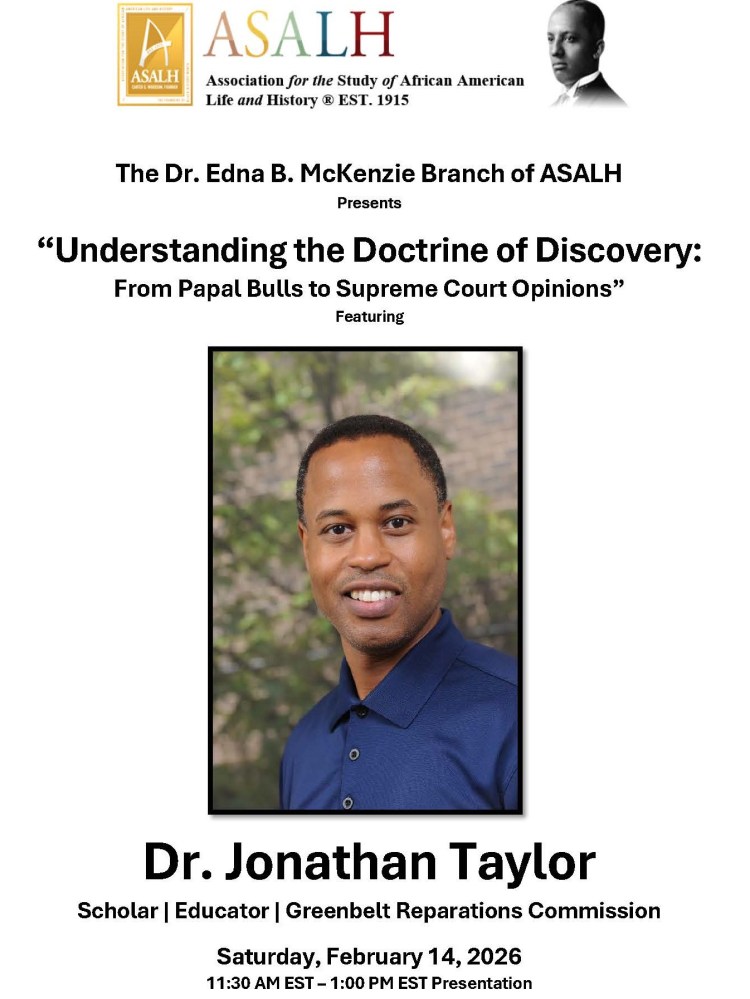
Understanding the Doctrine Of Discovery

From Papal Bulls to Supreme Court Opinions

Featuring: Dr. Jonathan Taylor

Scholar | Educator | Green Belt Reparations Commission

About the Speaker:
Dr. Jonathan Taylor is a Citizen of the United States, a resident of the City of Greenbelt, Maryland, and a member of “that class of persons only whose ancestors were negroes of the African race, and imported into this country and sold and held as slaves” (hereafter referred to as ‘the Class’ c/o Dred Scott v. Sandford, 60 US 403).

He also is one of 21 Greenbelt residents appointed by the Greenbelt City Council to serve on the Greenbelt Reparations Commission, which was established in 2021 by city referendum to review, discuss, and make recommendations related to local reparations for African American and Native American residents of Greenbelt.

Recognition, Celebration & Engagement 2026

At the Dr. Edna B. McKenzie Branch we love to recognize and celebrate those who demonstrate a strong commitment to engage with the local community and beyond.


RECOGNITION

MARCH 21:
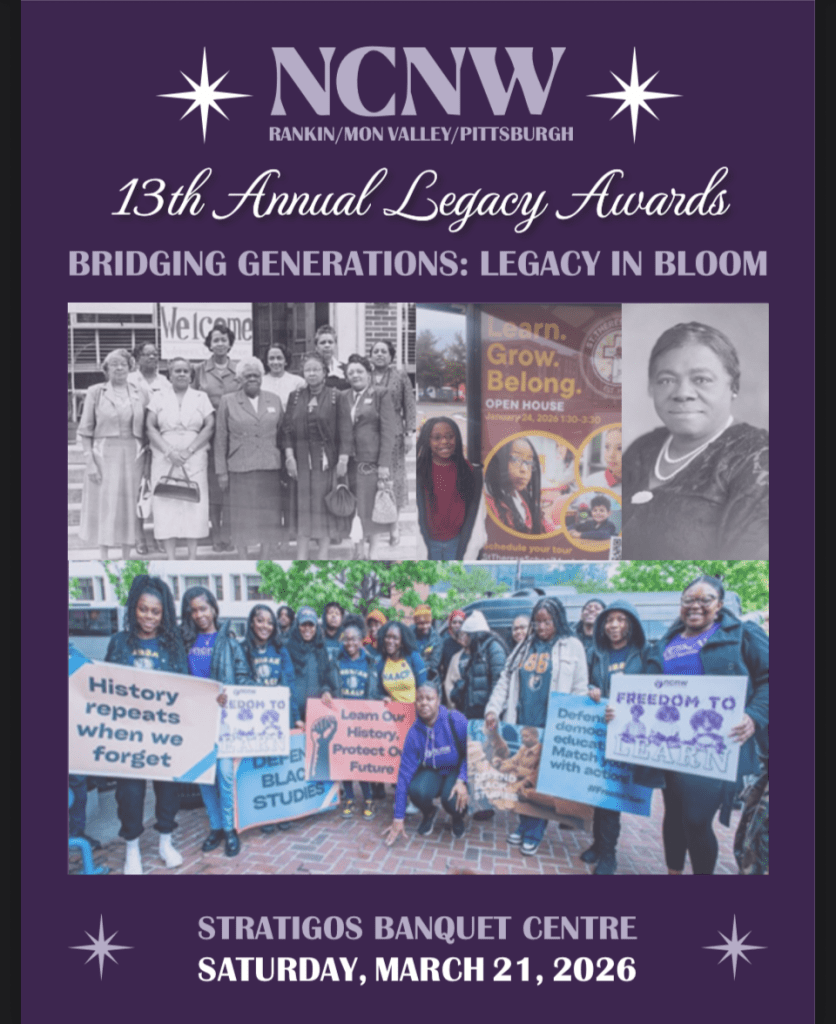
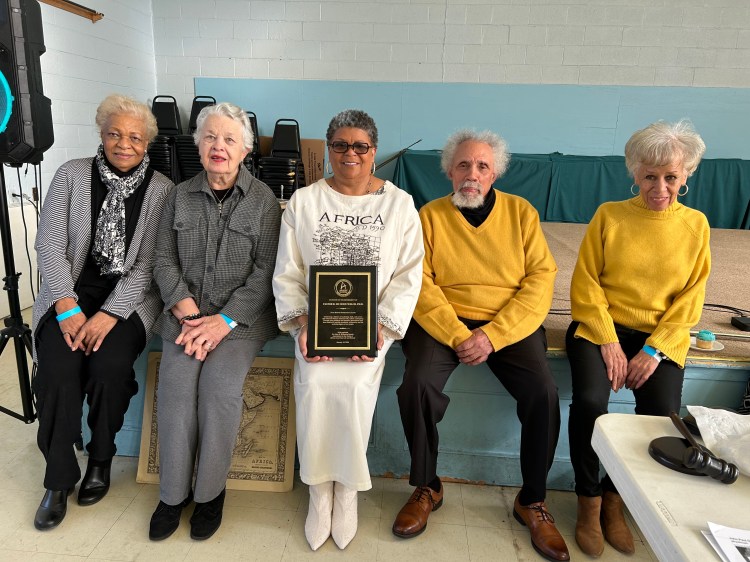
McKenzie Branch was awarded a plaque for outstanding contributions to the field of African American History by the Greater Pittsburgh Section of the National Council of Negro Women. Greater Pittsburgh Section NCNW Valentine’s Gala at the Rivers Club.


CELEBRATION

FEBRUARY 26, 2026:
Rev. Welch gave an outstanding Black History Month Presentation at AARP Chapter 4542 at St James Church on Black Boys.

McKenzie Branch members shown (l-r): Evelyn Ford, Ruth Ann Still, Ronald F. Saunders, and Judith Sanders

The plaque Rev. Welch is holding was given to her by President Saunders at her retirement dinner on January 14, 2026 at the Sheraton at Station Square for outstanding contributions to her faith community and community at large.


COMMUNITY ENGAGEMENT

FEBRUARY 21: 
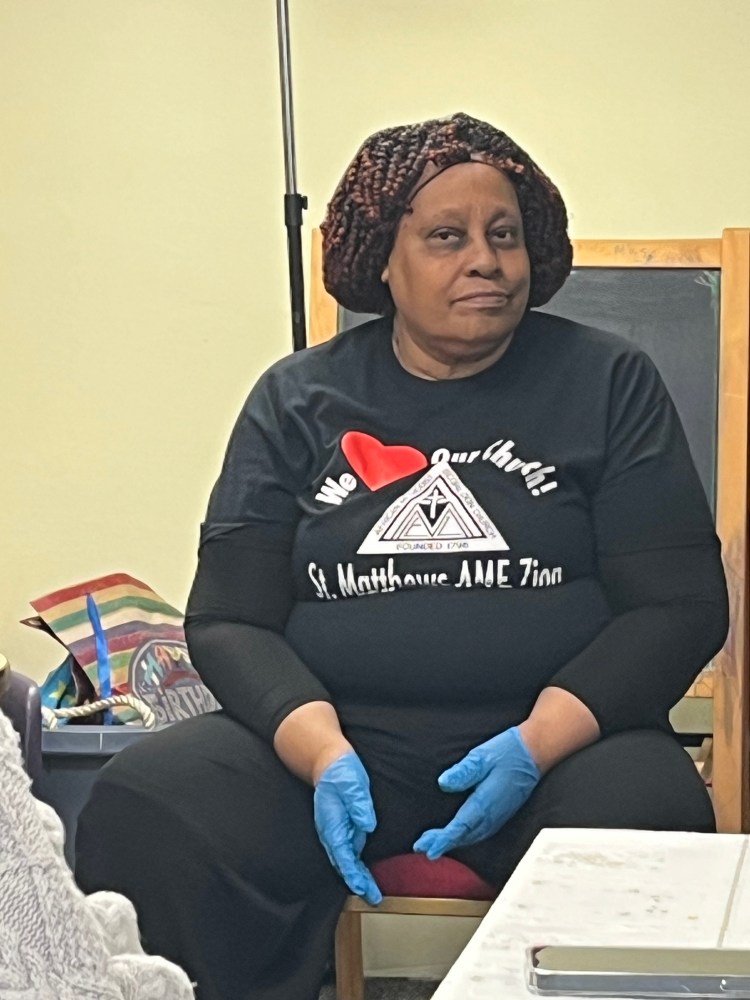
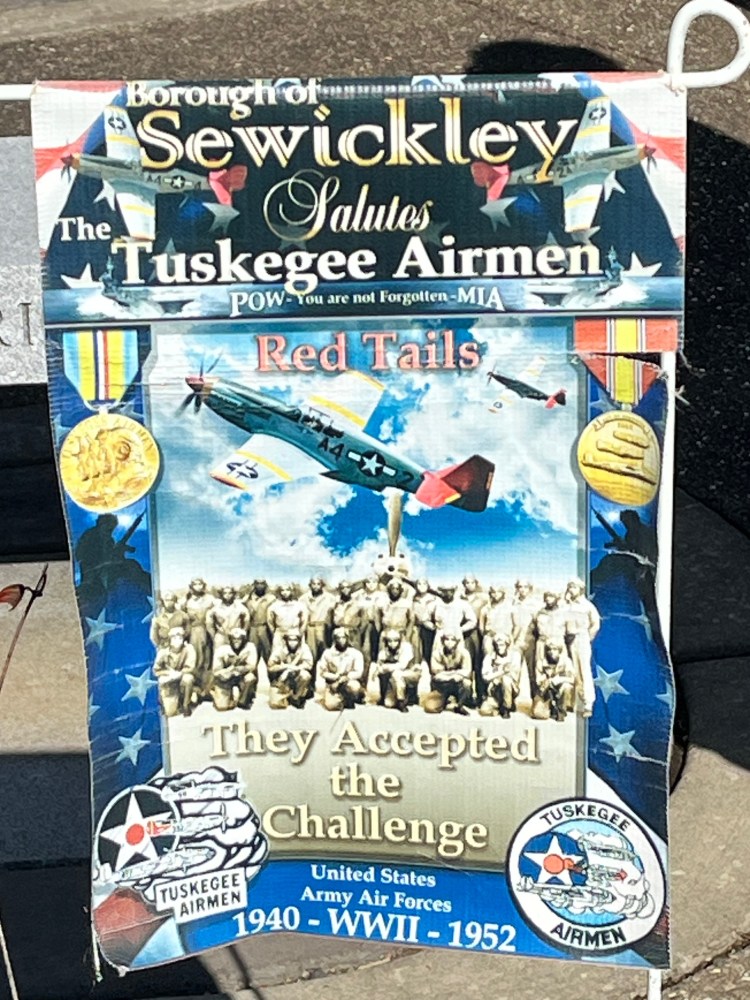
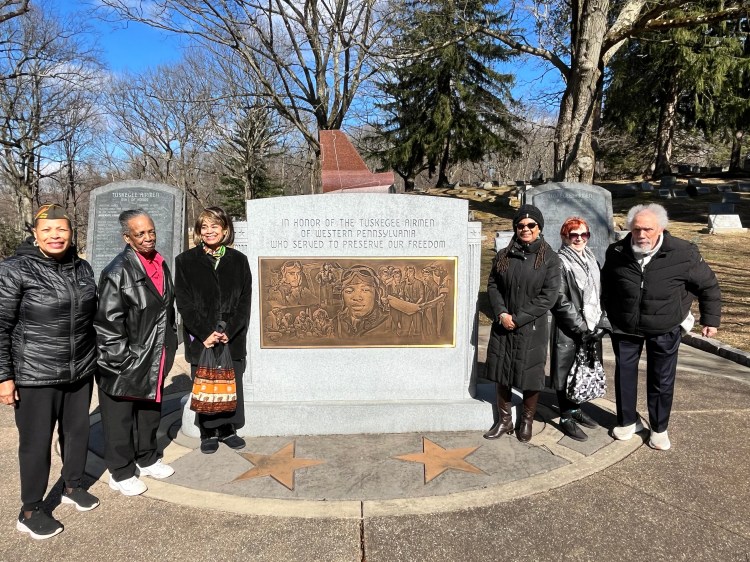
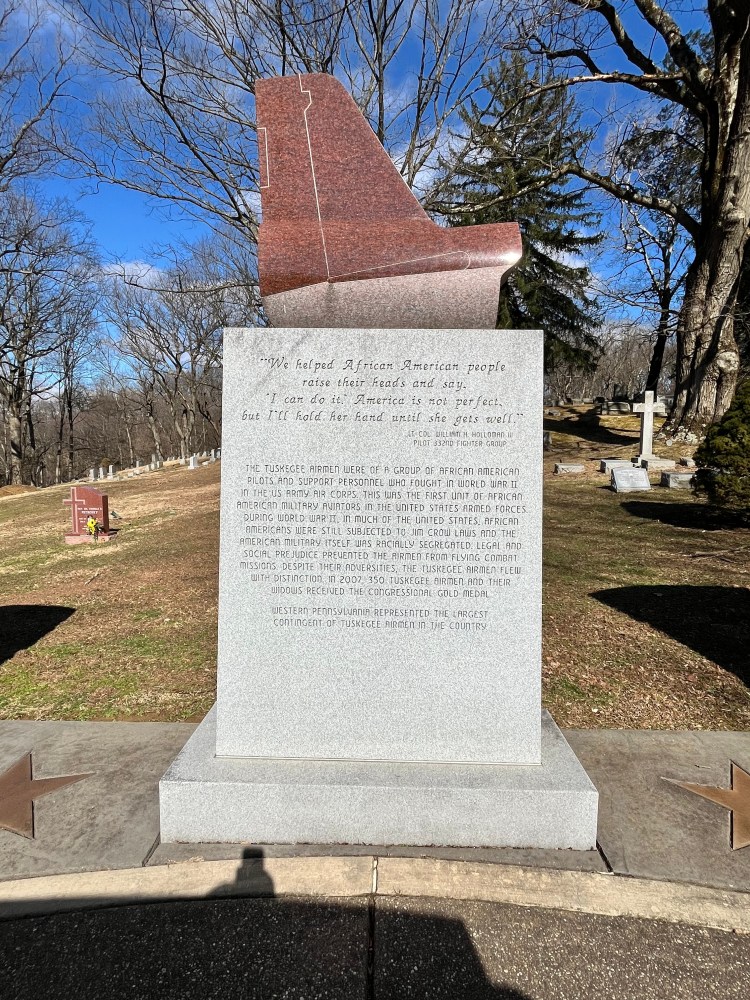
All You Can Eat (Free!) Pancake Breakfast” at St. Matthews AME Zion Church in Sewickly PA followed by Tuskegee Airmen Outdoor Memorial Visit.

Our branch has partnered with St. Matthews AME Zion Church on three previous “All You Can Eat Pancake Breakfast” events during Black History Month. Note that St. Matthew’s AME Zion Church played a key support role for our McKenzie Branch Tuskegee Airmen Salute in 2018.


FEBRUARY 7:
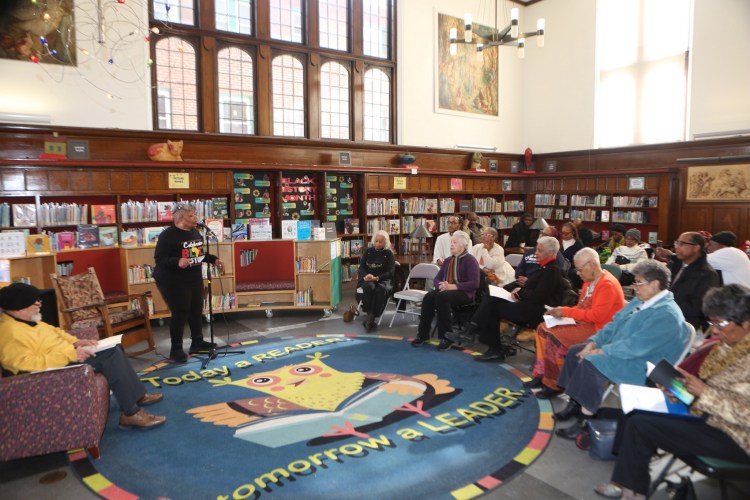
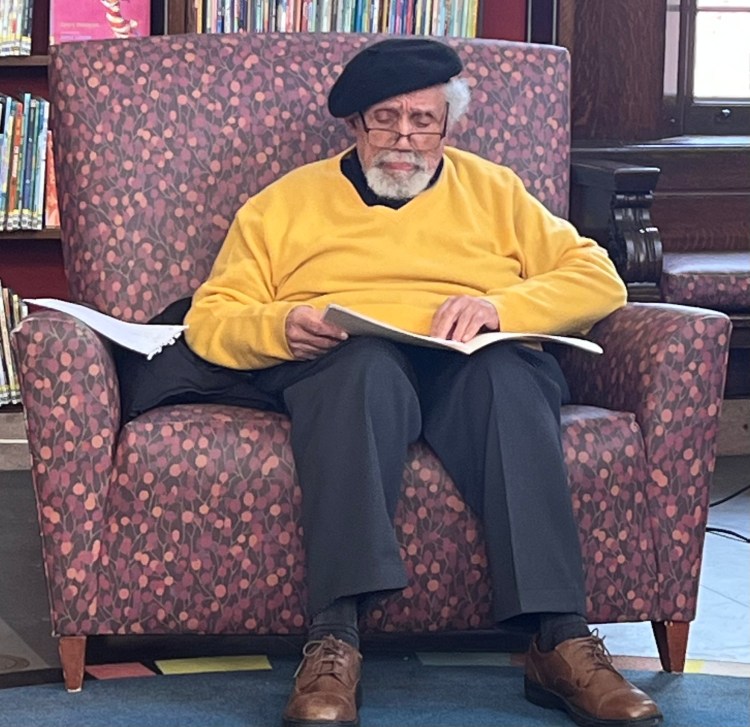
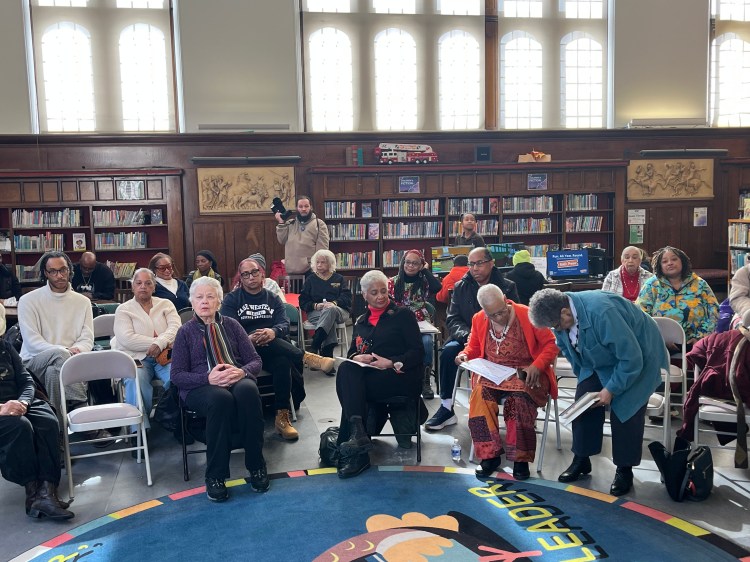
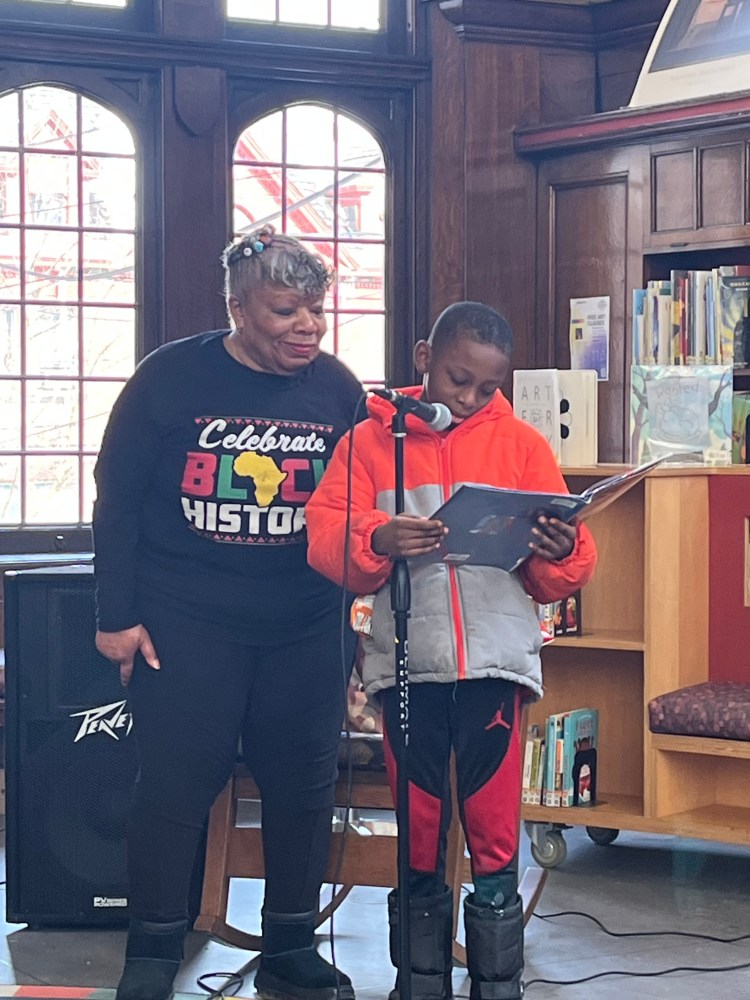
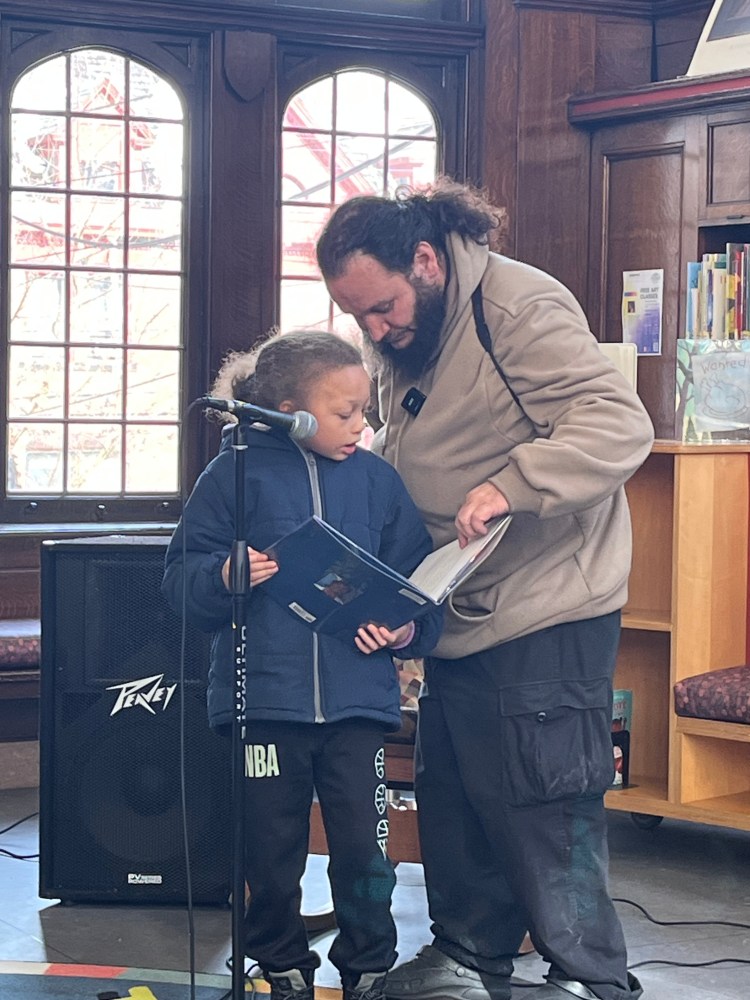
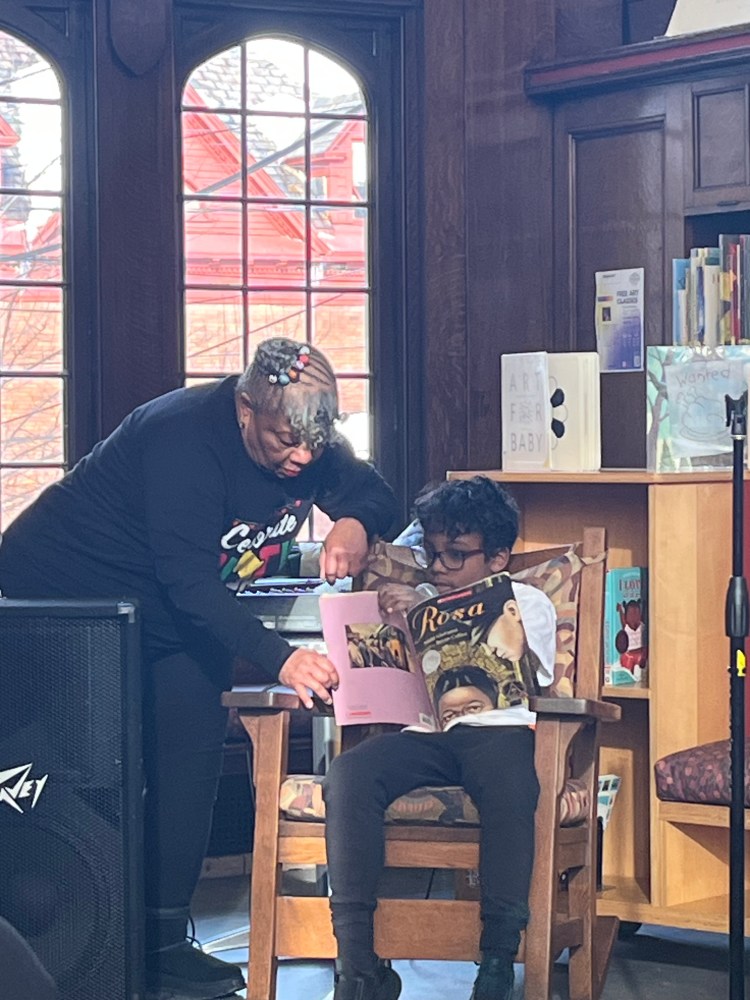
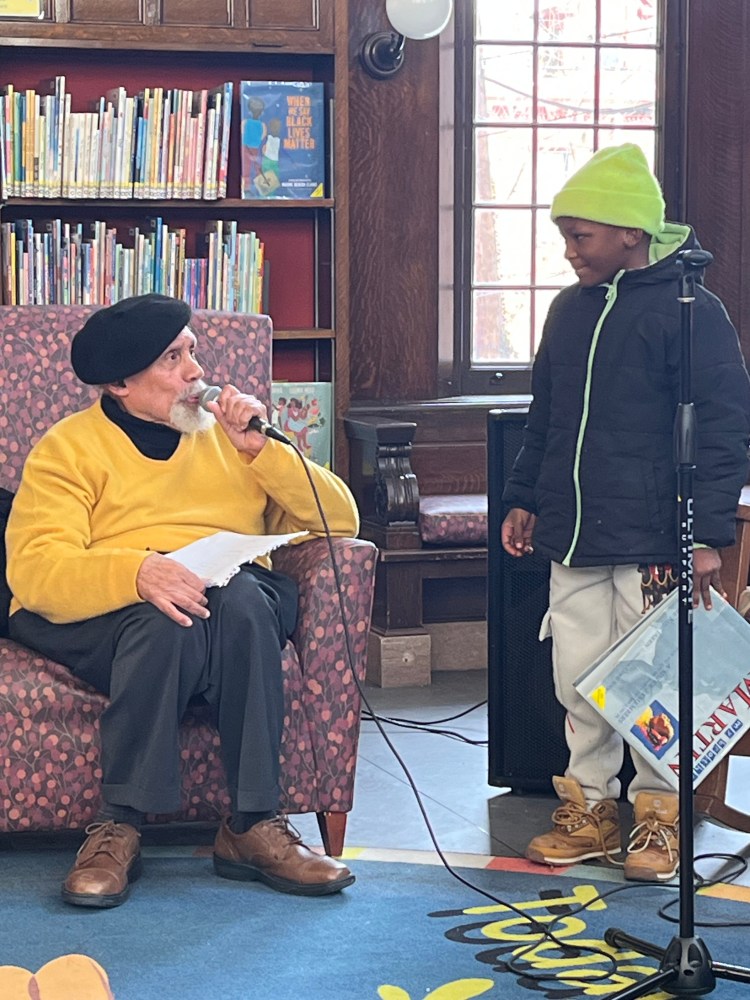
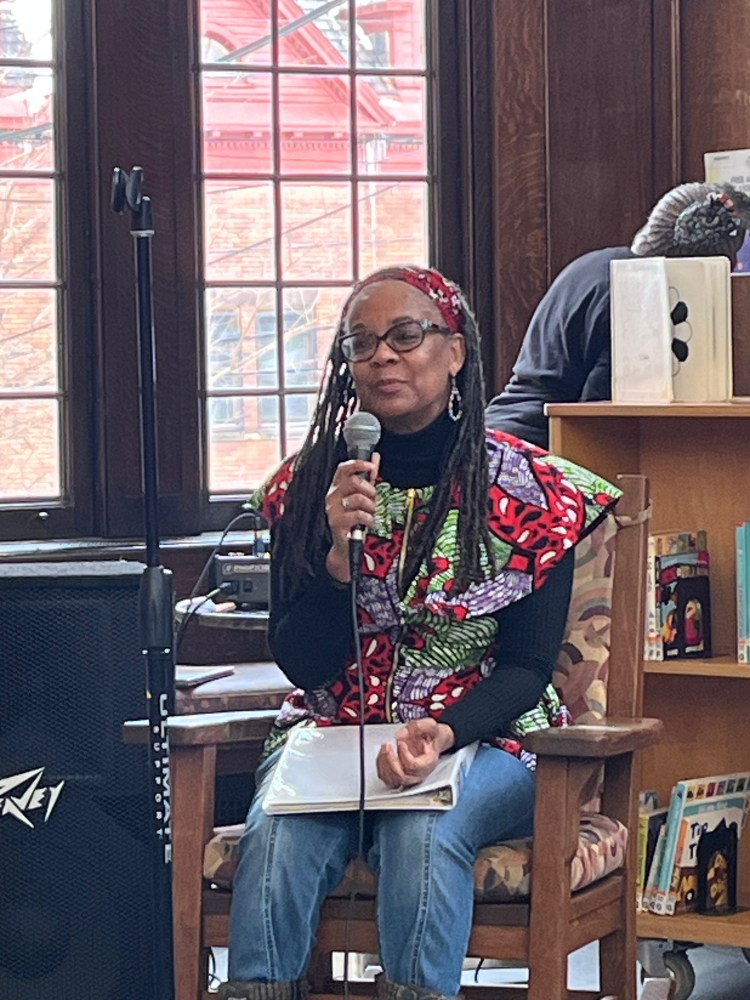
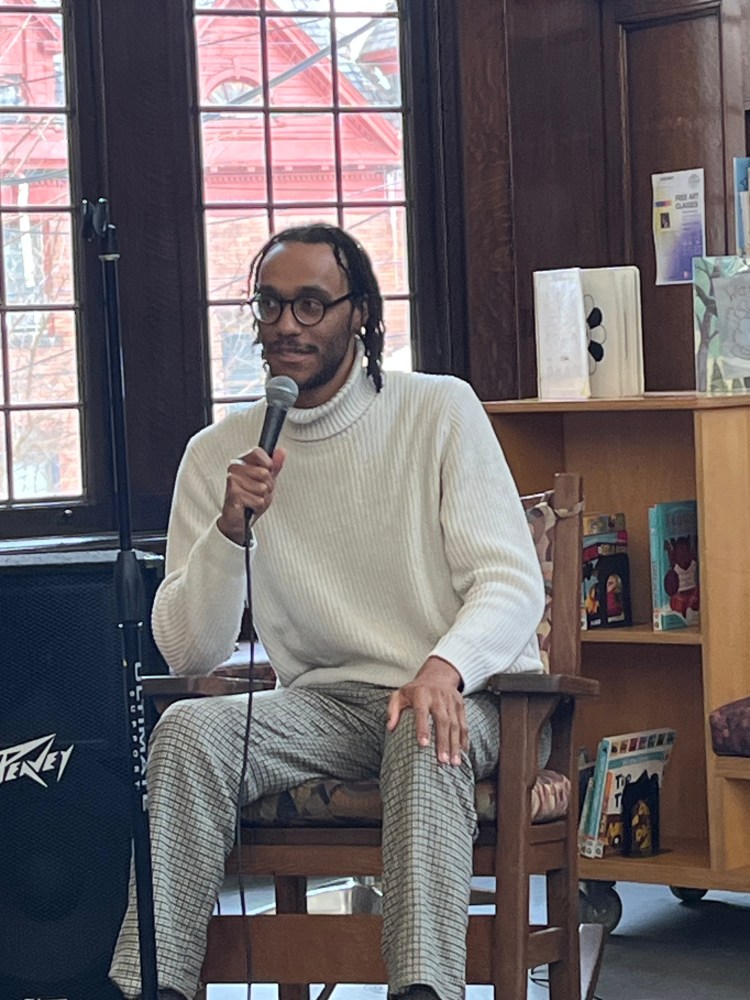
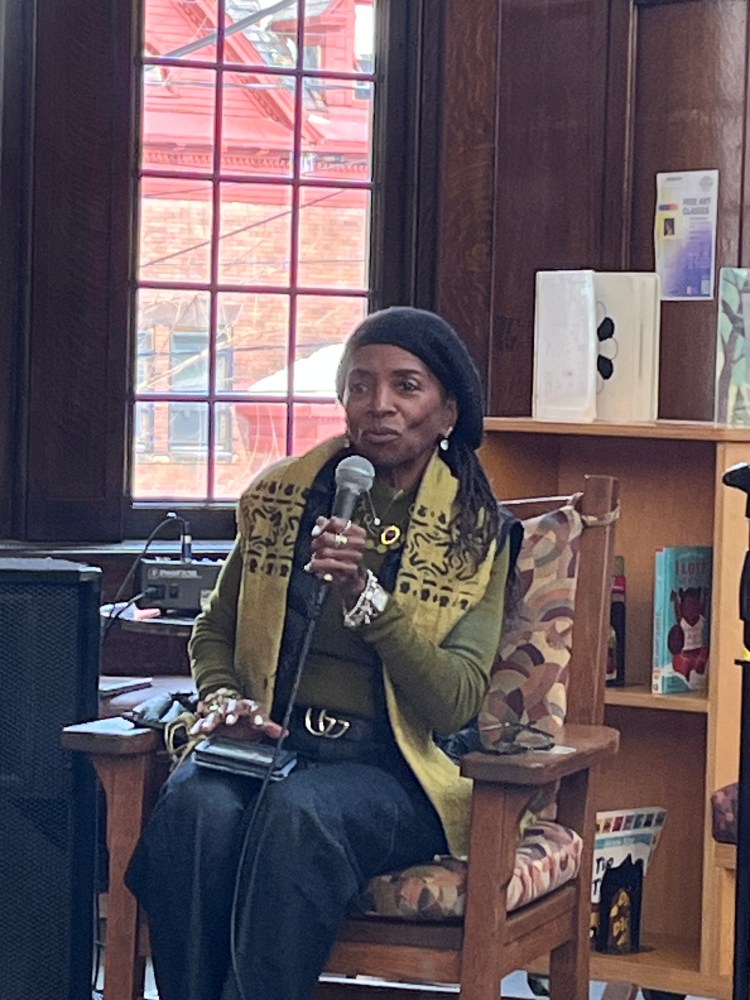
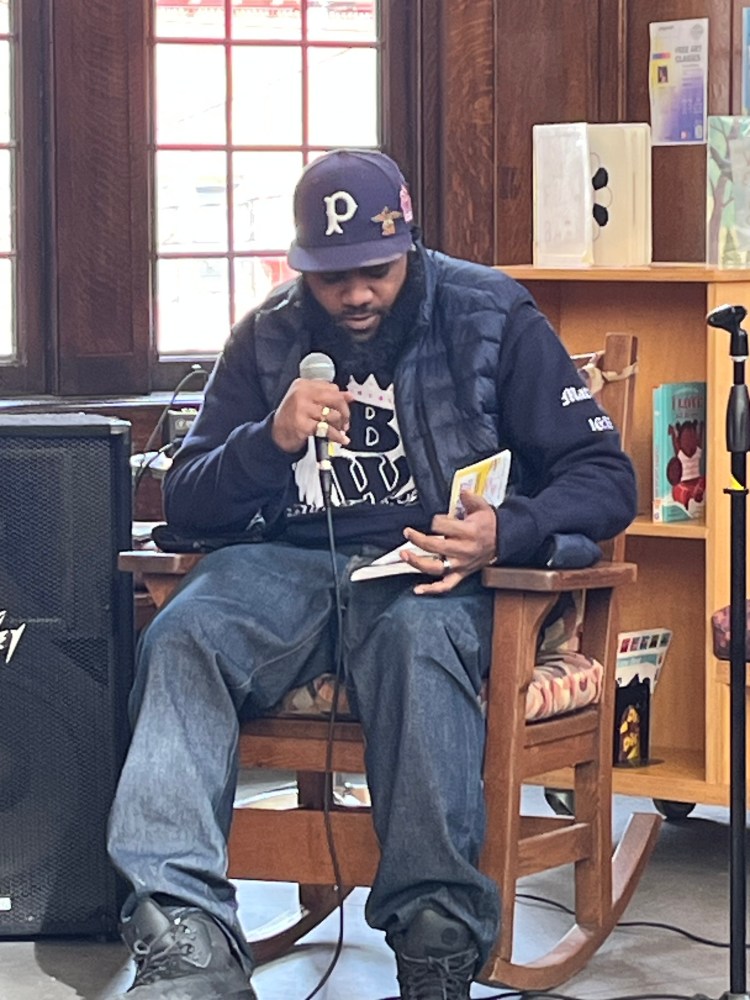
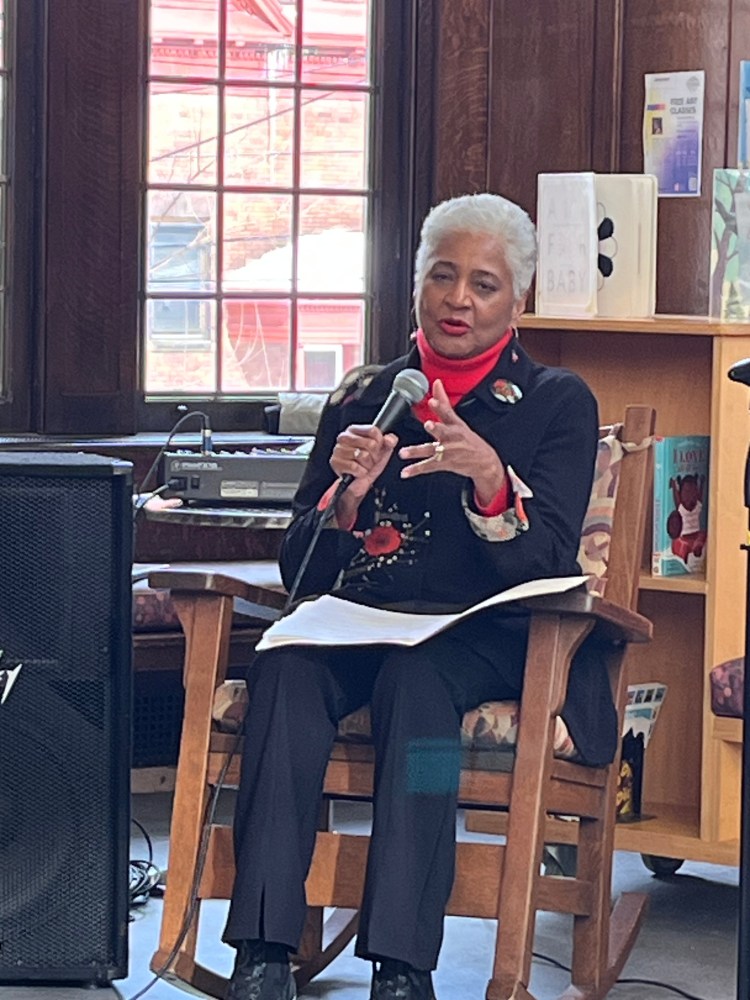
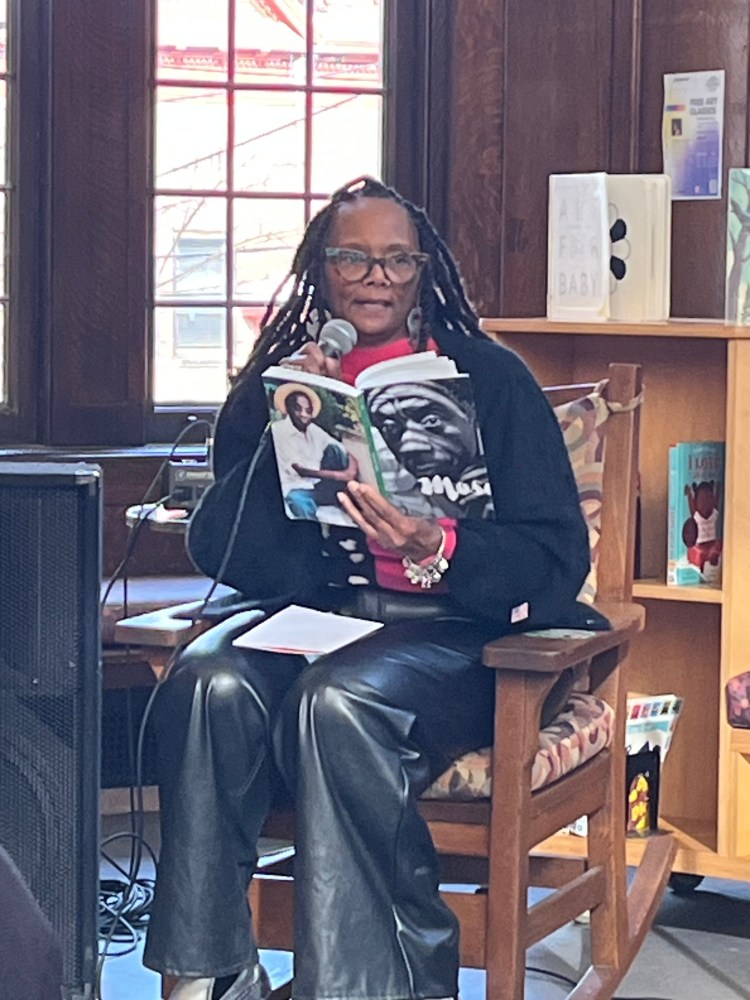
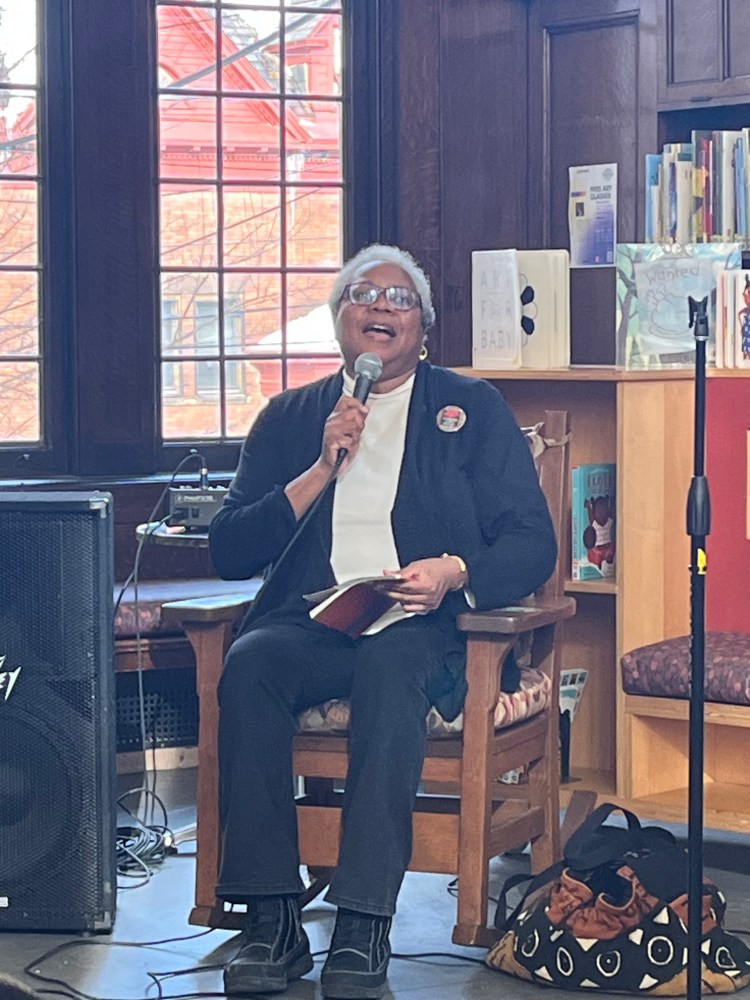
Pittsburgh African American “Read In” | Carnegie Library Homewood Branch

“We want to extend our thanks and congratulations to the United Black Book Clubs of Pittsburgh(UBBCP) for presenting its twenty-first year of the International African American Read In. An event of this magnitude requires a lot of behind-the-scenes heart.  We thank Rena, Bonita, Toni, and everyone for their dedication to making this year’s African Read In a resounding success.

Image Courtesy of the New Pittsburgh Courier

Further, I would like to thank all the participants and attendees who joined us for the African American Read In. By showing up, you’ve helped us celebrate the rich tapestry of Black authors, readers, poets and literacy. Each participant did an outstanding job of presenting their respective works and for that we are most grateful.”
—Ronald B. Saunders, President of the Dr. Edna B. McKenzie Branch

Dr. Edna B. McKenzie Branch Participants:
Cheryl Biggs
Carlotta Black
Judge Kim Clark
Martha Richards Conley
Ronald Lawrence
Bonita Lee Penn
Anita D. Russell
Dr. Beatrice Vasser
Ronald B. Saunders

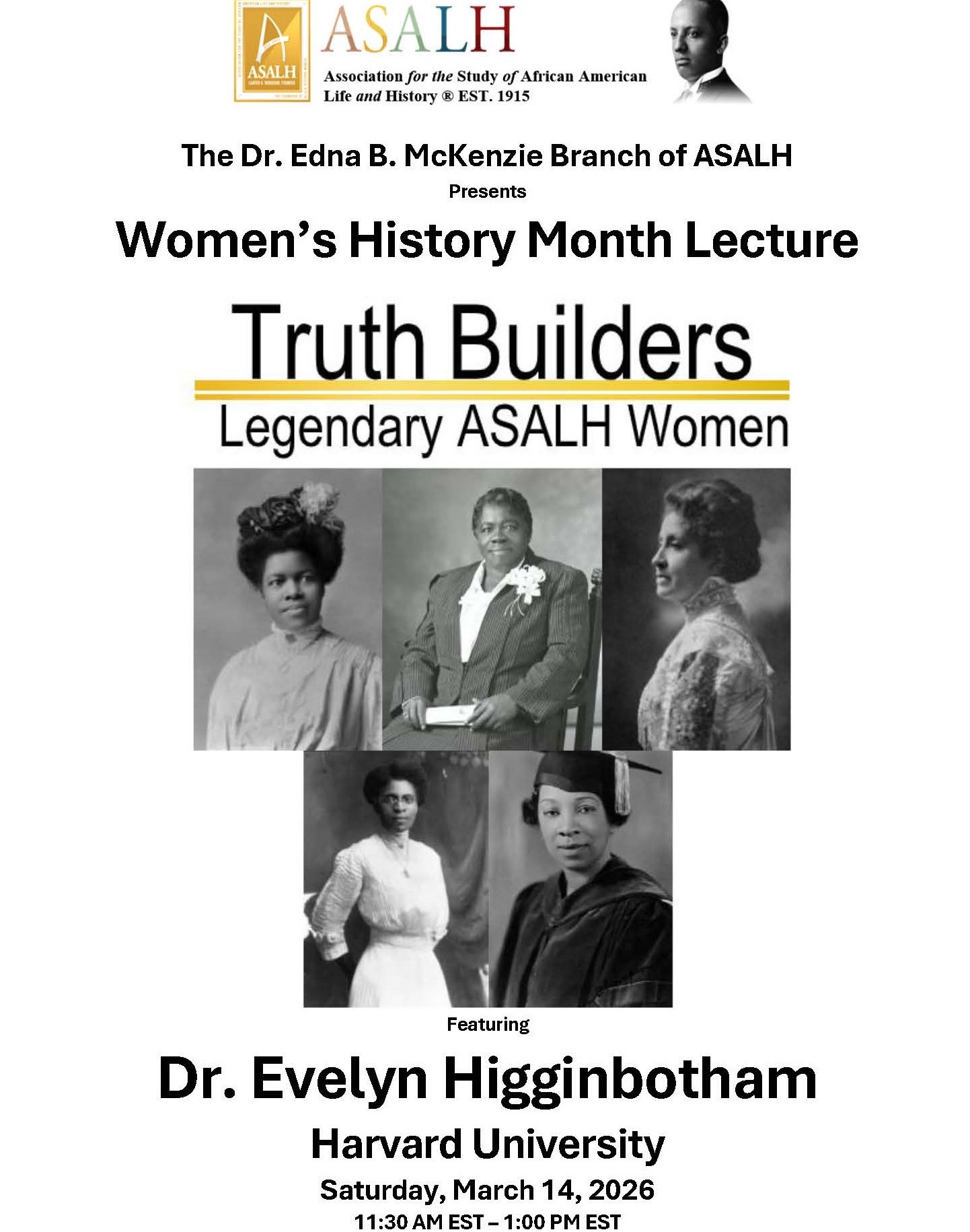
Truth Builders: Legendary ASALH Women

Women’s History Month Lecture


Saturday March 14, 2026 | 11:30 AM EST


DR. EDNA B. MCKENZIE BRANCH

Dr. Evelyn Brooks Higginbotham is the Victor S. Thomas Professor of History and of African and African American Studies at Harvard University. A tenured faculty member at Harvard since 1993, she chaired Harvard’s Department of African and African Americans Studies from 2006-2013, and chaired Harvard’s History Department from 2018-2020.

Dr. Higginbotham served from 2016-2021 as the national president of the Association for the Study of African American Life and History, which was founded in 1915 by Carter G. Woodson, the “Father of Black History. A pioneering scholar in African American women’s history, she authored the prizewinning book Righteous Discontent: The Women’s Movement in the Black Baptist Church, 1880-1920, from which came her widely discussed conceptualization “the politics of respectability.” Higginbotham is also co-author with the late John Hope Franklin of the classic text From Slavery to Freedom, which was first published in 1947. She continues the book’s long life, having written the ninth edition (2011), tenth edition (2021), and now the 2026 release.

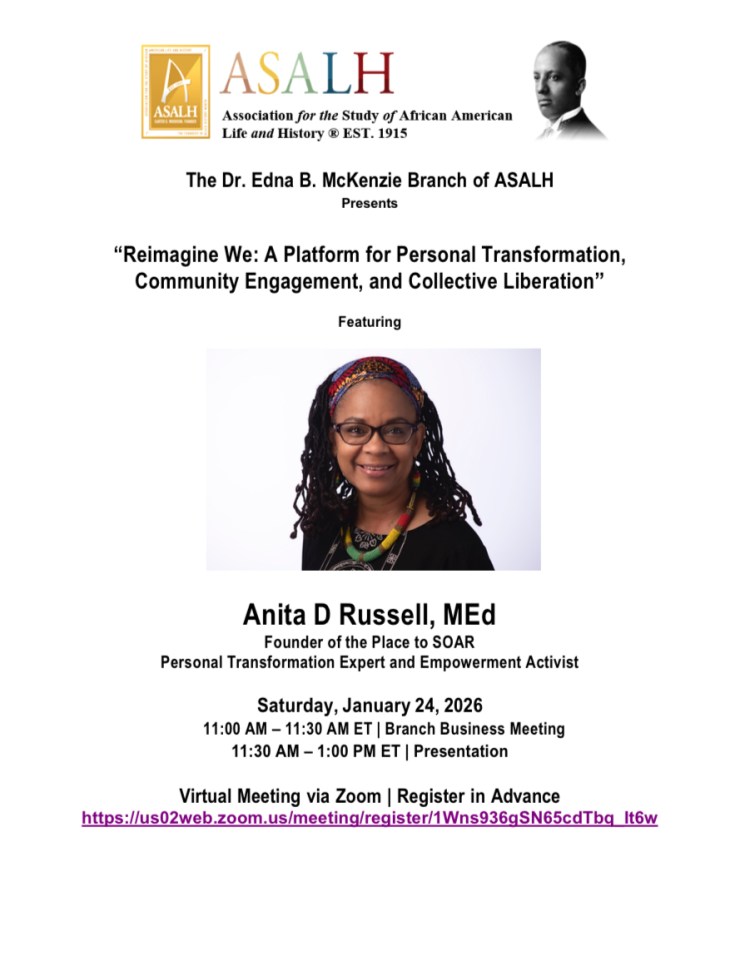
Reimagine We: A Platform for Personal Transformation, Community Engagement, and Collective Liberation

“Reimagine We Begins with Reimagine Me”


We live in a world built on extraction,
not relationship.


It’s a world designed to consume people, land, labor, and spirit in the name of profit, power, and dominance. It taught us competition instead of cooperation, hoarding instead of sharing, and alienation instead of belonging. It has told us that our worth is measured by productivity. That our humanity is conditional. And that some lives are disposable.

Reimagine We exists to help us to unlearn internalized inferiority, supremacy, scarcity, and fear, and reclaim sacred agency.

“I reject the principles of extraction and embrace the principles of relationship and engagement. I believe the greatest revolution is not political — it is relational. I accept the ideal of sovereign psych in that every human being is born with inherent dignity, imagination, and the right to self-determination. No race, no empire, no ideology has the authority to declare any person less than human. We are not broken. We have been conditioned.”
— Anita D Russell, MEd

MEET ANITA

Biography of Anita D Russell

Anita D. Russell is a transformation coach, social impact leader, and founder of The Place to SOAR. Her work bridges personal development and community liberation, helping people move from awareness to empowered action.

Through workshops, writing, and her InflexionPoint Podcast, Anita guides individuals and communities in reclaiming agency, healing internal narratives, and building collective power. Anita is also an author whose signature message — “Cultivating Change from the Inside Out: The Power of Being Human” — calls people to awaken, act, and lead with purpose. She brings a liberatory voice rooted in justice, spirituality, cooperative economics, and cultural truth-telling.

African American History from the Firing Line


“We needed a black press because there was no way to get our story out to the general American public.” — Dr. Edna B. McKenzie


The Desk of the President

On January 20, 2025, President Donald J. Trump signed Executive Order 14151 titled: ” Ending Radical Wasteful Government DEI Programs and Preferencing” Prior to the advent of the modern day Civil Rights Movement, there were no significant conversations surrounding DEI, DEAI, JEDI, DEIB which are consequences of that evolving Movement.

One should be cognizant that the modern day Civil Rights Movement is part of the broader Black Freedom Struggle which is one of the most important stories in American history. The Civil Rights Movement and Black Power Movement are elements of the Black Freedom Struggle or African American Freedom Struggle.

Wherein, on January 23, 2025, President Trump revoked Executive Order 11246 which was one of the most important Executive Orders in the history of the United States of America. It was signed at the height of the modern day Civil Rights Movement. The African American leadership class persistently, vigorously, relentlessly, enthusiastically pushed President Johnson to sign the landmark Civil Rights Act of 1964 and Executive Order 11246 which complimented the 1964 Civil Rights Act.

Continue reading “African American History from the Firing Line”

Women’s History Month Featuring Rev. B. De Niece Welch, PhD and Dr. Margaret Bristow


March is Women’s History Month, and on March 8, 2025, from 11:30 AM EST to 1:30 PM EST, the Dr. Edna B. McKenzie Branch of ASALH will present an exciting program featuring two phenomenal and significant speakers.


Rev. B. De Niece Welch, PhD, the First Vice President of the Dr. Edna B McKenzie branch will present “Black Women Strikers at the Cigar Plant in Charleston South Carolina 1945-1946.”

Dr. Margaret Bristow, Historian of Hampton Roads branch of ASALH will present “10,000 Striking Nigerian Women in 1929.”

This program promises to be enriching and informative.  Join us to honor the legacy and contribution of women.  

Please note you must register in advance.  After registering, you will receive a confirmation email containing information about joining the meeting. 
Register here: https://us02web.zoom.us/meeting/register/yv3yFvGZRZ6_dBy7cHdHjw

A brief business meeting will proceed the program at 11:00 AM EST.